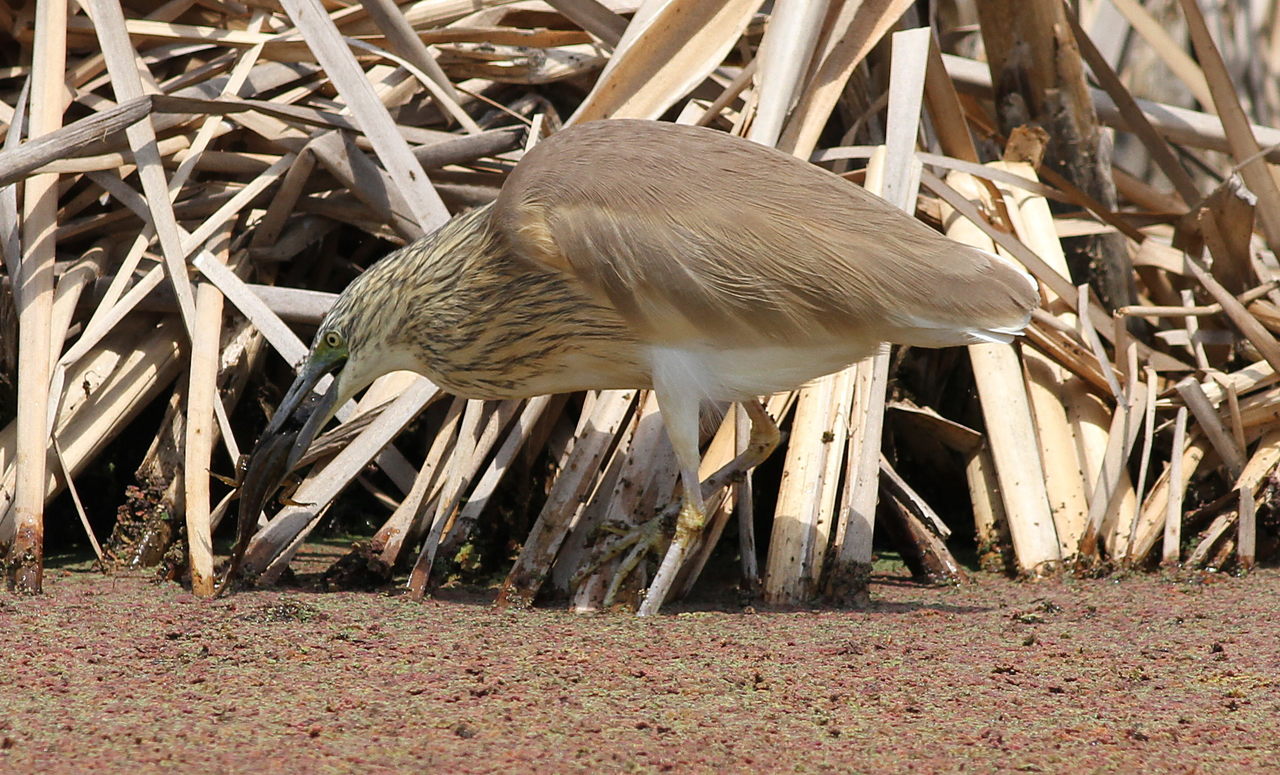

Ponorogo Regency, with its fertile rice paddies and abundant technical irrigation systems, has long been recognized as a highly ideal macro-ecosystem for inland aquaculture development. In fisheries centers like Pintu Village in Jenangan District and Coper Village in Jetis District, African catfish (Clarias gariepinus) cultivation has evolved from a backyard endeavor into a promising collective economic engine. Integrating agriculture and aquaculture landscapes encourages farmers to adopt intensive technologies, specifically transitioning from traditional earthen ponds to circular ponds utilizing a biofloc system. These modern basins can hold up to 3,000 catfish seedlings within a compact 3-meter (9.8-foot) diameter. High market demand and stable consumer prices ranging from Rp 20,000 to Rp 30,000 per kilogram (2.2 pounds) make this commodity the primadonna of local agribusiness.
Behind this enormous economic potential, farmers face a severe ecological challenge that simply cannot be underestimated. During the catfish lifecycle, the nursery phase—specifically rearing larvae or seedlings measuring 2 to 7 centimeters (0.8 to 2.8 inches) toward a juvenile size (sangkal) over approximately 28 days—is the most critical period determining the farmers' economic stability. At this crucial stage, the fish anatomy remains fragile, and their immune systems are not perfectly formed. Interestingly, field analysis in Ponorogo reveals that the greatest threat does not emanate from the water, but directly from the sky: flocks of waterbirds such as egrets (Egretta spp.) and herons (Ardeola spp.).
To the catfish agribusiness operators of Ponorogo, this Ardeidae family represents more than wild birds decorating the pastoral landscape; they are "silent killers" capable of drastically devastating the seedlings' survival rate (SR) without leaving a carcass behind. The coordinated attacks from these aerial predators have become a paralyzing specter for profit margins, demanding a comprehensive understanding of pest ecology and an urgent implementation of physical biosecurity within commercial aquaculture standard operating procedures.
Ecosystem conditions and biological traits of the fish
To dissect exactly why egrets and herons run so rampant in Ponorogo, one must examine the intersection between the technical operational standards of nursery ponds and the evolutionary physiological characteristics of the catfish themselves. Two primary factors inadvertently create a flawless hunting arena for aerial predators.
First, water management during the nursery phase requires specific technical modifications. Unlike deep grow-out ponds, nursery ponds are deliberately designed with a relatively shallow water level, usually ranging between 30 and 40 centimeters (11.8 to 15.7 inches). This minimal depth specifically serves to reduce hydrostatic pressure on the vulnerable seedlings' swim bladders, while simultaneously allowing them to maneuver easily, thereby conserving calories to actively maximize biomass growth. Unfortunately, this precise technical specification acts as a double-edged sword. A depth of 30 to 40 centimeters perfectly aligns with the exact leg length of egrets and herons. Equipped with elongated legs and beaks, these birds can stand with absolute stability directly on the edges of the tarpaulins or wade entirely through the middle of earthen ponds without losing balance, stalking prey with a perfect angle of light refraction.
Second, this environmental vulnerability is significantly exacerbated by the innate biological traits of the catfish. The catfish is widely known as one of the most resilient freshwater species, uniquely capable of surviving in highly turbid water with extremely low levels of dissolved oxygen (DO). This evolutionary hardiness is supported by an accessory respiratory organ known as a labyrinth (arborescent organ), allowing them to efficiently extract oxygen directly from the open air. Consequently, catfish seedlings possess an absolute biological instinct: they must periodically rise to the pond's surface to take a necessary breath (gulping).

An egret stalking from atop a tree: Andreas Goh / Wikimedia Commons
Furthermore, catfish seedlings boast a highly efficient feed conversion ratio (FCR), generally clocking in at figures between 0.8 and 1.2, which indicates exceptionally high appetites and metabolic rates. Some farmers in Ponorogo even routinely concoct feed utilizing traditional herbal remedies—such as ginger, turmeric, galangal, and Javanese ginger—to meticulously maintain optimal digestive hygiene, which inevitably results in increasingly reactive and aggressive movements as the fish respond to feed scattered directly on the surface. Egrets and herons, inherently gifted with extraordinary visual acuity, thoroughly understand this biological pattern. They do not aggressively chase prey underwater; they merely stand perfectly motionless at the pond's lip, unleashing a lightning-fast, lethal strike exactly when thousands of seedling snouts break the water's surface.
Specific anatomy and behavior of aerial predators
The agricultural ecosystems of Ponorogo serve as a vibrant habitat for a diverse array of waterbird orders, each having evolved highly specific hunting strategies. Assuming all pest birds employ identical methods of attack frequently leads to the failure of mitigation efforts. The following outlines the anatomy and specific biological behaviors of the pest bird species acting as the primary enemies of aquaculture farmers:
Egrets (Egretta spp.) and Herons (Ardeola spp.)
These species utilize a passive stalking method strictly from shallow areas, commonly known as the littoral zone. They leverage their elongated legs to stand safely at the pond edge, freezing perfectly still with profound patience, and attacking with lightning speed the moment catfish naturally emerge at the surface. The primary threat lies in their operation as highly coordinated pack hunters possessing excellent spatial memory. Once they identify a nursery pond as a reliable feeding ground, they will return continuously every day during the crepuscular hours—specifically early morning at sunrise and late afternoon approaching dusk. A single bird successfully infiltrating the perimeter will subsequently call out to dozens of its flock mates.
Little Black Cormorants / Cormorants (Phalacrocoracidae)
This distinct, black-feathered bird operates as a masterful swimmer and an expert pursuit diver. From an evolutionary perspective, their feathers are intentionally not waterproof, representing a biological design meant to entirely eliminate excess buoyancy. Utilizing this trait, they actively dive, part the water seamlessly, and chase fish straight down to the pond floor. The primary threat heavily relies on a gigantic gastric capacity and an intensely ravenous appetite. They consume not only tiny larval seedlings but also aggressively devour juvenile catfish near the end of the critical nursery phase. A cormorant attack is massively sweeping and highly destructive if the pond is not fully protected by a physical net.
Black-crowned Night Herons / Night Thieves (Nycticorax nycticorax)
In stark contrast to diurnal egrets, this particular heron functions as a nocturnal bird hunting exclusively under the dense cover of darkness. They typically perch atop overhead pipe installations or tall trees directly surrounding the ponds. The primary threat of this attack is exceptionally lethal because it perfectly overlaps with the inherent biology of the catfish, which are also naturally nocturnal and actively seek out food at night. The night heron silently snatches up catfish seedlings while the vulnerable farmer is sound asleep, rendering their predatory actions virtually undetectable.
Kingfishers / Javan Kingfishers (Alcedinidae)
These nimble aerial predators prefer perching at high vertical observation points, such as overhanging tree branches or thick electrical cables. Utilizing razor-sharp vision, they masterfully execute precise plunge-diving attacks; they swoop down sharply exactly like a torpedo directly to the water's surface, firmly pinch the fish in their beak, and gracefully fly back up into the sky within mere seconds. Their absolute primary targets are exceedingly small seedlings, typically measuring just 1 to 3 centimeters (0.4 to 1.2 inches). Although their stomachs are relatively small, their specific fishing frequency is exceptionally high and remains constant throughout the daylight hours.
Purple Herons / Grey Herons (Ardea purpurea / Ardea cinerea)
This species actively shares a hunting style remarkably similar to the egret, yet these herons inherently feature vastly gigantic physical proportions, immediately distinguished by a very long, snake-like neck. They stalk precisely from the water and exhibit absolutely no fear of wading directly into much deeper ponds. The primary threat stems directly from a massive beak shaped much like a heavy sword, which effortlessly allows them to swallow catfish seedlings already reaching a somewhat large size—specifically 7 to 9 centimeters (2.8 to 3.5 inches) and above. At this advanced developmental stage, the operational and feed economic values invested in the fish are already considerably high.
[Image 2] Image Source: An illustrative photograph detailing a circular biofloc nursery pond in Ponorogo perfectly covered with a black shading net (paranet) acting as a crucial form of physical biosecurity.

A circular biofloc nursery pond in Ponorogo, fully covered with a black shading net/paranet as a form of physical biosecurity: Banglele Indonesia
Extreme loss impacts: the "mysterious disappearance" phenomenon
Thoroughly understanding the complex taxonomy of aerial predator behavior is absolutely essential for unraveling a frustrating field phenomenon devastating farmers: the massive population of fish "mysteriously lost" without leaving a single trace.
Early in their dedicated careers, many farmers in Ponorogo erroneously attributed this sudden population shrinkage directly to deadly disease outbreaks, such as the pathogenic bacteria Aeromonas hydrophila, which frequently triggers Motile Aeromonas Septicemia (MAS). However, widespread mortality resulting from internal pathogens invariably leaves clear physical evidence behind. If fish are attacked by Aeromonas, farmers will quickly discover fish exhibiting severe bloating, visible ulcerous skin sores, and rotting carcasses floating plainly on the surface, which subsequently degrade overall water quality. The exact same undeniable evidence holds true for sporadic attacks by mammalian pests like local otters; they often forcefully tear apart tarpaulins and carelessly leave shredded remnants of fish bodies scattered widely along earthen embankments. Farmers typically respond to these pressing water quality issues by applying measured disinfectants, such as potassium permanganate (PK) solutions, to effectively kill off harmful bacteria and fungi.
Conversely, the silent sieges orchestrated meticulously by egrets, cormorants, and grey herons operate with an extraordinarily neat surgical precision. They quickly swallow fish seedlings entirely whole and completely alive directly into their esophagus, securely digesting them at an entirely separate location. As a direct result, critical pond water quality parameters—such as an ideal temperature strictly ranging from 27 to 30 degrees Celsius (80.6 to 86.0 degrees Fahrenheit) and a remarkably stable pH level resting exactly between 6.5 and 8—continue to appear perfectly normal, entirely devoid of the massive ammonia spikes generally caused by rotting carcasses. Surviving fish left securely inside the pond also look visibly healthy, hyper-aggressive, and incredibly ravenous whenever fed their daily pellet rations.
This grand illusion of safety is utterly shattered only when the hopeful farmer conducts the vital grading process—a mid-month size sorting operation—or specifically during the final harvest marking the absolute end of the nursery phase squarely on the 28th day. At this harsh juncture, the devastated farmer is suddenly confronted with the stark empirical reality that significantly more than 50 percent of the entire seedling population has vanished completely into thin air.
To properly visualize the shocking brutality of these intense financial losses, one can meticulously examine the precise commercial metrics inherent to the nursery operation. The baseline capital cost required to purchase a fresh catfish seedling measuring 2 to 3 centimeters (0.8 to 1.2 inches) generally ranges closely between Rp 200 and Rp 300 per individual fish. If a single 3-meter biofloc pond unit is fully stocked with 3,000 to 10,000 healthy seedlings, the initial capital outlay dedicated strictly for the seed easily reaches millions of rupiah per individual pond.

These compounding financial losses are highly significant, particularly when carefully calculated for medium-scale professional farmers like Rian, who bravely operates well over 70 pond units simultaneously. This staggering economic deficit does not even begin to account for various other overhead costs, perfectly exemplified by steep electricity bills required for running aerator blowers, necessary wages paid to night security personnel, and the exorbitant underlying cost of totally wasted feed, given that fish successfully achieving an optimal feed conversion ratio ultimately end up digested strictly inside predatory bird bellies.
Conclusion and business mitigation (physical biosecurity)
Facing a brutally multi-layered hunting system—ranging precisely from aerial torpedo strikes of the kingfisher and incredibly deep-diving maneuvers of the cormorant, all the way to strictly passive stalking of egrets and grey herons, and finally concluding with dark-of-night invasions strictly by the black-crowned night heron—it becomes abundantly clear that traditional defensive strategies are no longer relevant in any capacity. In the distant past, many conventional farmers actively attempted to utilize various manual guarding methods, frantically erecting traditional scarecrows, loudly banging tin cans, or intricately stringing zigzag lines of thin nylon thread just closely above the water's surface. However, Ardeidae birds fundamentally represent immensely adaptive biological creatures. They quickly recognize through observation that these various manual deterrents simply do not pose a mortal threat to their lives whatsoever, and they promptly slip strictly inside the moment the farmers' manual oversight inevitably relaxes.
The strict empowerment vision uniquely championed by Banglele Indonesia, seamlessly encapsulated securely in the prominent motto "Connecting farmers for better Indonesia," firmly emphasizes that advanced technical literacy and the absolute adoption of rigorous industry standards permanently remain the fundamental pillars of lasting farmer advancement. In the highly explicit context of mitigating aerial predator pests, naturally reactive approaches must be entirely replaced forever by a strictly absolute preventive strategy. The following stringent standardizations of absolute physical biosecurity definitively represent non-negotiable mandates for long-term operational survival:
Permanent installation of shading nets: Fully enclosing the absolute upper section of all outdoor nursery ponds directly using a high-density black shading net, commonly referred to as a paranet, represents a mandatory Standard Operating Procedure. This specific protective cover must be forcefully pulled absolutely taut directly across the pond's edges entirely without leaving any gaps, effectively blocking out the devastating access of deep-diving cormorants permanently. Beyond simply serving as a robust mechanical anti-predator shield, the dense black net intrinsically functions to drastically dampen water surface temperature fluctuations primarily caused by direct solar radiation, fiercely suppress the lasting potential for harmful algae blooms, and perfectly stabilize the incredibly delicate micro-environment required by the catfish.
Gradual transition to semi-indoor systems: To fully achieve maximum operational efficiency and absolute long-term security, the precise spatial design of biofloc pond installations strictly located in Ponorogo rice field areas should ideally be heavily directed toward fully semi-indoor shading structures. This incredibly advanced architectural concept closely mimics distinctly modern, highly sterile hatchery facilities, thereby entirely eliminating the pressing risk of dangerous waterborne pathogens often carried specifically via bird droppings, while simultaneously effectively maintaining strictly optimal water temperatures entirely throughout the freezing cold night.
Ultimately, securing the highly critical catfish nursery phase against the relentless daily threat of egrets and herons is firmly not merely a basic technical issue of simple pest control; it fundamentally stands as a profound manifestation of modern business professionalism. Without deploying adequate physical protection firmly in the specific form of shading nets, blindly scattering thousands of highly vulnerable seedlings directly into a wide, open, extremely shallow pond mathematically equates exactly to serving a free, all-you-can-eat buffet directly to a massive flock of hungry aerial predators. Taking absolutely definitive control of various external variables precisely through rigorous physical biosecurity permanently remains the single most vital strategic step fully required to strictly lock in target seedling survival rates, fiercely preserve the daily rhythm of absolute production certainty, and definitively ensure the resilient long-term stability of vital profit margins for these deeply dedicated champions of inland food security directly within Indonesia.