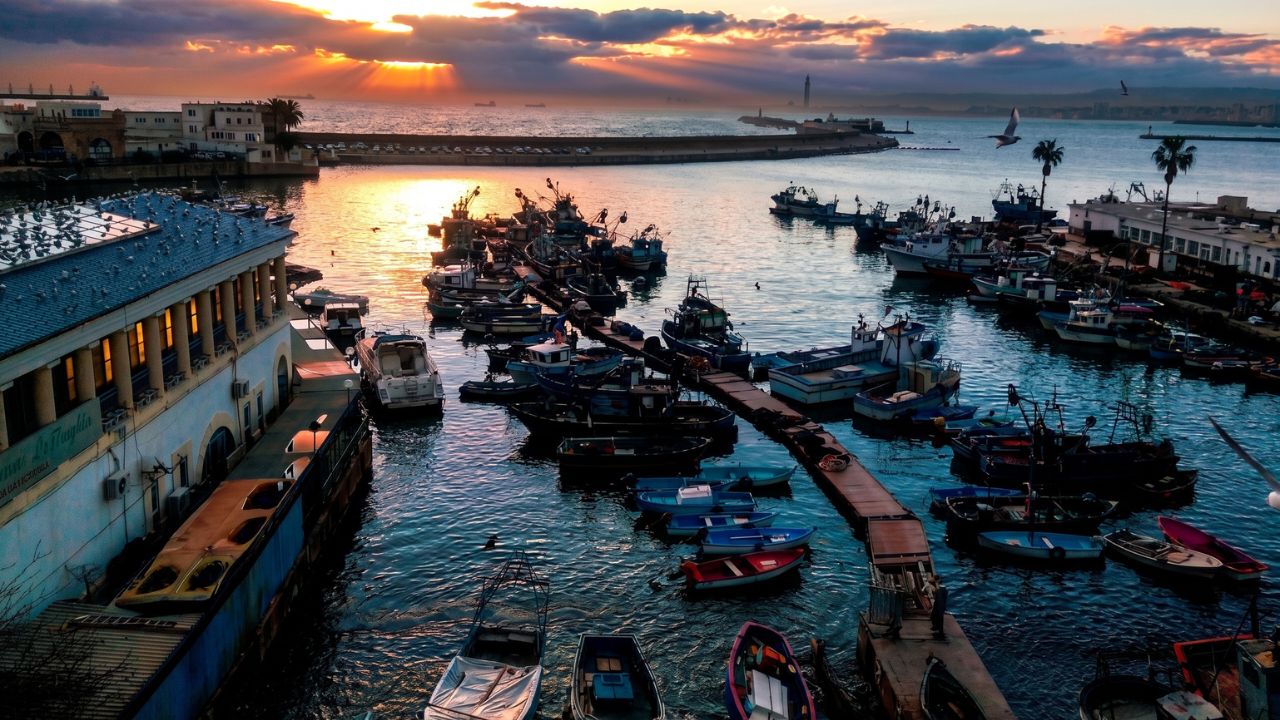

The Mediterranean wind carries the scent of iodine and salt across the old harbor walls of the North African coast. In coastal Algeria, crashing waves serve as silent witnesses to centuries of maritime interaction. Long before petroleum extraction and desert sands dominated its economy, Algeria held a deep historical footing with the sea. This connection traces back to 1921, when the first aquaculture and fisheries research station was established in Bou-Ismail, known during the colonial era as Castiglione. The pioneering station was built with a clear scientific mandate: to determine optimal methods and locations for cultivating the Pacific oyster (Crassostrea gigas) and Mediterranean mussel (Mytilus galloprovincialis), alongside pioneering freshwater fish hatcheries for inland waters.
The Bou-Ismail station indicated early on that Algeria possessed the analytical infrastructure to manage its aquatic resources. Yet, as decades passed and post-independence geopolitical dynamics shifted, national development pivoted decisively toward extractive petroleum. The sea was gradually reduced to a maritime logistics corridor for exporting crude oil and natural gas. For decades, the nation's identity remained more bound to its status as an energy giant than a maritime entity.
Today, a significant recalibration is underway. Faced with energy market volatility and an urgent need to diversify its macroeconomic structure, the Algerian government is looking back toward its 1,200.0-kilometer (745.6-mile) coastline. This shift represents a strategic transition as Algeria seeks to rebalance its geopolitical and economic identity. Algiers recognizes that long-term national resilience is drawn not only from Sahara oil fields but also from Mediterranean currents and inland water basins that remain commercially underutilized.
A coastal taste on the Maghreb dining table
The strategic transition from energy back to the marine realm ultimately hinges on meeting citizens' animal protein needs. Traditionally, the culinary culture of coastal Algeria is deeply intertwined with seafood. In port cities like Oran or Algiers, fresh pelagic sardines marinated in chermoula—a classic blend of crushed garlic, cumin, fresh coriander, and olive oil—and grilled over hot coals represent an enduring gastronomic tradition. The sardine (Sardina pilchardus) has historically dominated local catch volumes, serving as the dietary backbone for coastal communities. Conversely, inland communities historically relied more on red meat such as mutton or poultry, owing to limited transport infrastructure and the absence of post-harvest cold-chain technology.

The busy docks of the fishing port in Algeria, where local fishermen are preparing fresh sardines in wooden crates: Wikimedia Commons/Imadeddinebelmokhtar | CC BY-SA 4.0 (Modified)
Demographic shifts and infrastructure modernization have gradually dissolved these geographic barriers. Over the past two decades, improvements in cold-chain logistics and national highway expansion have allowed fishery products to be distributed deep into the arid south. Concurrently, rapid urbanization and population growth leveled marine fish demand. This shift in consumption patterns has created new pressure on a capture fisheries sector whose capacity is increasingly constrained by ecological limits.
Currently, the per capita fish consumption rate in Algeria stands at 3.9 kilograms (8.6 pounds) per year, a ratio relatively low compared to global averages but exhibiting a steady upward trend. This expanding demand culminated in a domestic supply deficit estimated to reach 66,000 tons (72,752 short tons) annually. Because Mediterranean capture fishery volumes tend to stagnate due to the strict carrying capacity of the marine ecosystem, relying solely on conventional fishing nets is no longer viable. The necessity of securing a reliable supply of fish has forced Algeria to design more controlled, aquaculture-based production methods.
The PNDPA blueprint and innovation amidst the desert
In response to these structural food deficit pressures, Algerian authorities formulated a systematic macroeconomic policy framework. The cornerstone is the National Plan for the Development of Fisheries and Aquaculture (PNDPA). This framework serves as the primary blueprint to modernize maritime infrastructure and expand aquaculture capacity nationwide. The policy is operationalized through the Stratégie de développement de l'aquaculture horizon 2030, establishing explicit production targets: 60,000.0 metric tons (66,138.7 short tons) from offshore marine aquaculture and 40,000.0 metric tons (44,092.5 short tons) from inland freshwater facilities. Regionally, this roadmap aligns with the FAO's GFCM 2030 Strategy for the Mediterranean, ensuring standards of fisheries governance and ecological sustainability remain strictly monitored.
Beyond establishing paper production quotas, this policy's implementation has spurred notable technological adaptation. In the arid southern Sahara regions, the government and private investors introduced the cultivation of tilapia (Oreochromis niloticus), a hardy species with high tolerance for extreme temperature fluctuations and groundwater salinity variations. Within the agricultural oasis of Ouargla, these inland aquaculture installations are integrated directly with date palm plantation infrastructure. Through a circular economy model, nutrient-rich wastewater from the fish grow-out ponds, laden with nitrogen and phosphorus, is funneled directly to serve as liquid organic fertilizer for the date palms. This symbiotic integration has been successfully demonstrated in pioneering facilities like the Bouabdallah Farm, where basic irrigation infrastructure evolved into a highly productive, self-sustaining hatchery hub despite severe climatic challenges.
While this macro vision and its adaptive innovations were designed with technical precision, real-world implementation faces a severe structural hurdle: an acute shortage of domestic expertise. Scaling up intensive production to target tens of thousands of tons demands highly qualified human resources skilled in autonomous feed formulation, hatchery biosecurity control, and recirculating aquaculture systems (RAS) water quality management. Without certified aquaculture engineers and technicians, expansion targets risk being stymied by prohibitive operational costs and high vulnerability to pathogens. This critical capacity gap in the Algerian blueprint opens a strategic geopolitical window for international partners.
Evaluating two decades of diplomacy for the Indonesian government
From the perspective of national strategic interests, Algeria's urgent need for fisheries technology transfer represents an ideal foundation for Indonesia's "Blue Economy" diplomacy. However, the track record of bilateral diplomacy in this marine sector progressed at a sluggish pace. The chronology of cooperation between Jakarta and Algiers was initiated in 2003 through a Memorandum of Understanding (MoU) establishing a general fisheries framework. That initial agreement remained macro-level and lacked operational technical protocols. It was only in 2010 that Algeria took a proactive step, offering capture fisheries access to Indonesia while requesting the deployment of trained human resources and placing orders for fishing vessels from Indonesian domestic shipyards.
In response, the Ministry of Marine Affairs and Fisheries (KKP) of the Republic of Indonesia signed an MoU on Fisheries Cooperation in 2012, specifically regulating technology transfer and the dispatch of experts to Algeria. Although the legal foundation was strengthened, the pace of implementation over the subsequent decade stagnated, yielding minimal field execution that could bring a systemic impact to the trade balance between the two nations.
A crucial momentum finally reopened in January 2026. Amidst the volatile dynamics of global agricultural and food supply chains, bilateral relations received a substantial push from the upstream agricultural sector. PT Pupuk Indonesia concluded a commercial agreement with the Algerian state-owned mining enterprise, Somiphos, to secure a supply of 1,000,000.0 metric tons (1,102,311.3 short tons) of rock phosphate—a vital raw material for Indonesia's fertilizer industry and national food self-sufficiency. This working visit was led by the Deputy Minister of Agriculture, Sudaryono, who facilitated a ministerial-level sectoral dialogue expanding beyond phosphate transactions into a comprehensive discussion on food security strategies, irrigation technology updates, and aquaculture investment partnerships.

The signing of a Memorandum of Understanding between PT Pupuk Indonesia and the Algerian mining company Somiphos, witnessed by the Indonesian Deputy Minister of Agriculture Sudaryono and the Algerian Minister of Energy Mohamed Arkab, with the aim of developing cooperation in the phosphate sector to secure fertilizer raw material supplies and support sustainable food self-sufficiency: Courtesy of PT Pupuk Indonesia (Persero)
This situation demands a sharp policy evaluation by decision-makers in Jakarta, particularly the Ministry of Foreign Affairs and the Ministry of Marine Affairs and Fisheries. The sluggish implementation of fisheries agreements stretching from 2003 to 2026 must end. The Indonesian government needs to reconstruct its diplomatic posture; Algeria should no longer be viewed merely as a supplier of fertilizer raw materials for domestic subsistence. The country holds far greater geopolitical value as a strategic hub or a stepping stone for the expansion of Indonesia's "Blue Economy" instruments across North Africa and the Mediterranean basin.
Food sovereignty rooted in tradition
Algeria's evolving relationship with the sea is a profound process of economic adaptation and the reclaiming of historical identity. Their efforts to rebalance policy orientation, transitioning from an economy entirely dependent on petroleum toward optimizing coastal and inland water productivity, represent a rational step in reweaving the culinary traditions of the past with the demographic demands of the future. The macro blueprint, which seamlessly fuses offshore aquaculture targets with circular irrigation innovations in the heart of the desert, reflects the precise state vision in responding to climate pressures and logistical resilience.
For Indonesia, the changing Maghreb landscape offers far more than a diversification of trading partners; it is a premium medium to demonstrate marine technical expertise on the global stage. The convergence of Algeria's urgent need for knowledge infrastructure and Indonesia's established marine human resource capacity has the potential to forge a resilient economic synergy. An active commitment and pragmatic execution by the Indonesian government will act as an instrument accelerating the achievement of Algeria's food sovereignty. Simultaneously, such steps will validate Indonesia's position, transforming its image from a mere consumer of foreign agricultural raw materials to a strategic actor in the global marine architecture. The momentum that has opened today is a policy window demanding concrete action, necessitating a transition from written agreements to a robust logistical sovereignty rooted deeply in both nations.