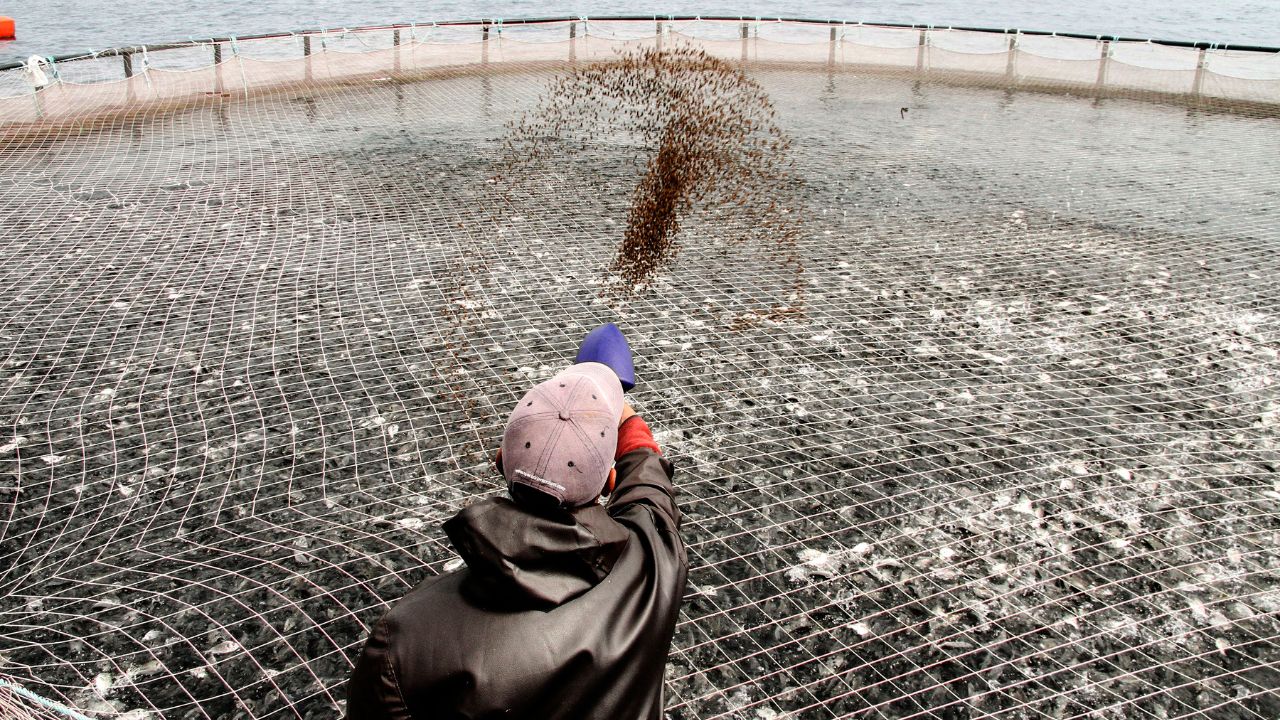

Tunisia’s natural landscape, gracefully embracing the Mediterranean coast for 1,300 kilometers (807 miles), offers far more than mere visual appeal. With a maritime domain exceeding 80,000 square kilometers (30,888 square miles) and 7 natural lagoon systems spanning 100,000 hectares (247,105 acres), this coastal expanse operates as a critical ecological lifeline that sustains the broader economy and biological vitality of the region. From the tranquil northern waters of Bizerte to the sprawling southern seascape of the Gulf of Gabes, these dynamic waters bear silent witness to a long, storied history of traditional Tunisian maritime activity. Yet, confronted by fast-moving global market dynamics and mounting ecological pressures, the Tunisian government is now recalibrating its national economic engine through a more measured, sustainable structural approach. The maritime sector, which was historically dominated by small-scale capture fisheries, is now being systematically steered to transform into a modern, integrated industry operating under the conceptual umbrella of the circular economy.
This transformational step is formally bound by high-level strategic commitments, explicitly codified in Tunisia Vision 2035 and the National Development Plan 2023-2025. Within this macroeconomic policy framework, the government deliberately positions the "Blue Economy" as an essential pillar for economic diversification. This marks a definitive shift away from a historical reliance on land-based agriculture, which remains highly vulnerable to drought, as well as extractive industries that are beginning to reach their absolute economic limits. The recently launched National Strategy for Ecological Transition (SNTE) further asserts the profound necessity of rationalizing marine resources to achieve enduring food security, significantly reduce the national carbon footprint, and mitigate coastal vulnerability to climate change. Viewed closely through this policy lens, the ocean is no longer regarded solely as a boundless resource for extraction, but rather as a natural capital ecosystem requiring rigorous, science-based management.
Support for this profound structural transition extends far beyond domestic political consensus; it has also garnered material validation from prominent international financial institutions. The World Bank Group, for instance, has successfully formulated a new Country Partnership Framework with Tunisia, swiftly mobilizing strategic financing instruments to optimize the sustainable growth potential inherently found within the blue economy. The active involvement of such multilateral institutions signals a broad, definitive recognition that developing coastal regions and lagoon systems such as Ghar El Melh and the Bay of Monastir represents a highly crucial economic maneuver. Strategic projections drawn directly from this partnership are designed to create new employment opportunities in coastal communities, attract foreign direct investment specifically through dedicated maritime clusters, and fortify the national trade balance by directly enhancing the added value of marine commodities. Together, this cross-stakeholder involvement meticulously lays a robust institutional foundation intended to fully actualize Tunisia’s transition toward a rational and self-reliant ocean economy.
Growth of the aquaculture sector and food import dynamics
Moving deeply into the operational reality of the current fishing industry, Tunisia's aquaculture sector reveals a noteworthy growth trajectory, even though its fundamental structure has not yet fully detached from the inherent vulnerabilities of global supply chains. Historical data compiled by the Food and Agriculture Organization of the United Nations (FAO) and local authorities clearly illustrate that aquaculture’s specific share of Tunisia's total fisheries production has experienced a consistent upward surge. From a marginal contribution of under 1 percent in 1991, the sector expanded steadily until it impressively accounted for nearly 20 percent of total national fisheries production by the close of the last decade. Quantitatively, the raw volume of aquaculture production has consistently climbed, rising dramatically from 14,613 metric tons in 2015 to 23,003 metric tons in 2024. This biological activity now reliably translates into an estimated financial revenue comfortably exceeding USD 123 million annually.
This volumetric growth is uniquely characterized by a high concentration in marine species possessing high economic value. More than 95 percent of total aquaculture output is heavily dominated by European seabass (Dicentrarchus labrax) and gilthead seabream (Sparus aurata). The operational landscape of this cultivation is firmly governed by a distinct business ecosystem comprising approximately 57 companies operating across various specialized subsectors. Their precise geographic distribution maps a remarkably clear regional specialization: the eastern coastal region, specifically located in the Monastir Governorate, functions as the primary epicenter for offshore aquaculture, where high-density concrete facilities and floating net cages have become the undeniable industry standard. In the north, the Bizerte lagoon serves as an ideal central hub for bivalve cultivation, whereas inland territories such as the Beja Governorate focus heavily on localized freshwater aquaculture situated in dam reservoirs. Premium products meticulously harvested from these offshore cages are largely absorbed by geographically proximate export markets, notably the European Union, thereby securing substantial profit margins for local aquaculture corporations. The Tunisian Ministry of Agriculture officially projects that this positive trajectory will continue, purposefully setting a massive production target that reaches 35,000 metric tons by 2030, paired with optimistic expectations of annual sectoral growth ranging between 9 and 17 percent.

Busy workers cleaning cuttlefish at the Ben Ayed Seafood processing factory in Bizerte: FAO/Mohamed Hammi (Modified)
However, behind these highly promising figures of production expansion lies a glaring trade balance anomaly that clearly indicates underlying structural fragilities within the industry. In tandem with accelerating population growth, improving overall living standards, and noticeably shifting dietary preferences, domestic per capita seafood consumption in Tunisia is recorded to have climbed from 10 kilograms (22 pounds) in 2014 to 12 kilograms (26.5 pounds) in 2024. This elevated domestic demand, coupled seamlessly with the glaring fact that the vast majority of high-end local aquaculture products are strictly locked into international export contracts, creates a severe supply void in the domestic market. As a direct result, Tunisia is forced to aggressively import fishery products to properly patch this mounting consumption deficit.
Furthermore, the expansive growth of the upstream aquaculture sector itself remains deeply reliant on expensive foreign inputs. Pertinent data indicates that the import value of aquatic products and fishery inputs in Tunisia skyrocketed drastically from a mere USD 11.7 million in 2000 to an alarming USD 116.4 million in 2019. This rapid escalation actively recorded a compound annual growth rate of 12.9 percent, which consistently outpaces both global and regional average aquaculture growth rates. This severe operational deficit aggressively underscores the stark reality that Tunisia’s aquaculture machinery currently operates on imported raw materials, leaving it highly susceptible to global commodity price fluctuations, unexpected supply chain disruptions, and currency exchange volatility. The continuing import trends currently pressuring the national trade balance send a definitive, strong signal to policymakers that there is an urgent, undeniable need to structurally reorganize the domestic supply chain to permanently safeguard real economic margins and ensure long-term food security.
Addressing operational challenges: feed, seed, and diversification
The heavy import dependency that severely weighs down the industry's economic viability is firmly rooted in a complex series of technical hurdles and upstream operational inefficiencies. Objectively viewed, the Tunisian aquaculture sector currently faces an intense operational trilemma: severe production cost pressures, highly restricted penetration of precision technology, and extremely minimal diversification in its overall species portfolio. One of the most critical choke points found within Tunisia's aquaculture value chain securely lies in the availability of fish seed (fry) and essential aquafeed. At present, domestic hatchery infrastructure comprehensively lags significantly behind the industry's grow-out capacities. There are shockingly only 2 primary hatchery facilities operating nationwide possessing the specialized technical capability to properly produce commercial-scale seabass and seabream fry. Cumulatively, these facilities are only capable of fulfilling 13 percent of the total domestic market demand. This massive 87 percent shortfall practically forces local farmers to import fry from Europe a tedious process that not only rapidly erodes profit margins through exceptionally high cargo costs but also significantly amplifies massive biosecurity risks intimately linked to the cross-border introduction of pathogens.
A strikingly similar dynamic severely cripples operational efficiency within the vital feed supply sector. Intensive industry assessments conclusively identify inconsistent feed quality and unintegrated disease management protocols as the primary culprits directly behind feed conversion ratios (FCR) that persistently fall short of regional averages. Although Tunisia hosts 3 feed manufacturing plants currently in active operation, these specific facilities are heavily bogged down by unprofitably low capacity utilization. This is a direct consequence of the severe scarcity of essential raw materials like local fishmeal and fish oil, which ultimately compels the sector to import roughly 50 percent of its total commercial feed requirements.
Directly confronting these immense fundamental challenges, active industry stakeholders and prominent research institutions like the Institut National des Sciences et Technologies de la Mer (INSTM) have collaboratively initiated grounded, pragmatic operational solutions. Their primary operational focus is strongly geared toward localizing feed production by creatively repurposing abundant agro-industrial waste. Tunisia, standing proudly as one of the world's leading producers of olive oil and dates, reliably generates hundreds of thousands of metric tons of agricultural by-products annually. Olive extraction waste (olive pomace or grignon d'olive) and date seed residues are now being rigorously, scientifically evaluated as highly viable candidates for the partial substitution of conventional fish feed ingredients. Modern biochemical studies show that olive pomace does not simply act as a cheap source of basic calories or filler fiber; it is inherently packed with active phenolic compounds, vital oleic acid, and potent antioxidant agents like hydroxytyrosol and oleuropein. Advanced feed formulations that seamlessly integrate olive derivatives, such as olive pomace acid oil, have been conclusively proven capable of reducing oxidative stress and effectively suppressing gastrointestinal inflammation in carnivorous fish like seabass. Meanwhile, intelligently incorporating date seed meal supplies crucial dietary fiber that demonstrably improves the immunological profile of the fish. Through the exact application of precision processing technologies, such as thermal extrusion meticulously utilized in cutting-edge facilities, these local raw materials can effectively minimize reliance on imported fishmeal without compromising essential growth parameters or final flesh quality. Utilizing these specific agricultural by-products perfectly fosters an ideal economic circularity, where massive fishery input costs can be driven down simultaneously alongside the successful resolution of solid agricultural waste accumulation on land.

The innovative repurposing of date waste into sustainable, nutritious feed in a southern Tunisian oasis: FAO/Khairi Ben Hassine (Modified)
Beyond thoroughly overhauling feed management, structurally rationalizing economic risk heavily requires Tunisian entrepreneurs to step firmly outside the vulnerable comfort zone of monoculture. Absolute, unyielding reliance on seabass and seabream creates an undeniably asymmetric risk exposure. Whenever overwhelming supply from competing Mediterranean nations (such as Greece and Turkey) heavily saturates the broader European market, standard selling prices can depreciate rapidly. This quickly compresses the delicate margins of Tunisian farmers who are already burdened heavily by exceedingly high basic input costs. Consequently, widespread species diversification has emerged as an absolute business imperative that cannot be delayed. Coastal areas featuring variable salinity alongside natural lagoon ecosystems proactively provide a highly compatible landscape for easily adopting alternative aquatic species positioned lower on the ecological food chain. These include resilient species like mullet and carp, as well as highly lucrative commodities that require absolutely no supplemental feed whatsoever, such as macroalgae (seaweed) and bivalves (shellfish).
Purposefully expanding into these extractive commodities aligns perfectly with the proven Integrated Multi-Trophic Aquaculture (IMTA) model. Under the comprehensive IMTA framework, standard finfish cultivation located in floating net cages is spatially integrated seamlessly with the strategic farming of mussels, oysters, and nutrient-absorbing seaweed. This sophisticated model effectively engineers a highly efficient miniature ecosystem where organic waste and uneaten feed originating from the fish cages are naturally filtered out by bivalves, while dissolved excess nutrients are cleanly absorbed by seaweed. Operationally, this intelligent model not only yields 3 to 4 distinct revenue streams for proactive farmers operating within a single concession area but also drastically reduces the overall carbon footprint and thoroughly curbs marine eutrophication. The rapid implementation of supportive technologies is also visibly accelerating; for example, comprehensive research initiatives like the SwitchMed project have already begun successfully piloting high-precision camera technologies (smart technologies) for the real-time monitoring of live biomass and exact feed intake. Such unparalleled digital oversight directly allows feed distribution to be exactly calibrated to the fish's immediate appetite, sharply cutting feed waste and measurably reducing conversion ratios—thereby confidently ensuring every single dollar invested in upstream operations ultimately translates to optimal biomass.
Knowledge collaboration and innovative solutions
A profound systemic transformation transitioning from conventional aquaculture toward a circular blue economy architecture aggressively demands immense knowledge capital and rapid technological adoption that simply cannot be fulfilled by internal, domestic research alone. To rapidly bridge this glaring capability gap, Tunisia has begun purposefully looking far beyond the immediate Mediterranean basin, actively seeking out strategic alliances with advanced maritime nations situated across the globe. Pursuing these ambitious cross-continental synergies, particularly engaging with Indonesia, occupies a highly tactical, significant position embedded deeply in this ongoing reform roadmap.
The extensive collaborative framework structured properly between Tunisia and top-tier Indonesian aquaculture innovators is carefully calibrated to directly target the root causes of entrenched operational bottlenecks. It heavily anchors on directly transferring specialized expertise in precision feed manufacturing and comprehensive aquatic biology management. Indonesia undeniably boasts a remarkably extensive portfolio in expertly managing multi-species aquaculture and developing fully self-sufficient feeds based completely on localized formulations. Through this strategic partnership, the complex technical know-how surrounding modern feed extrusion processes can be readily, smoothly adopted by willing Tunisian technicians. This critical technology is absolutely paramount for profoundly elevating the nutritional digestibility profile of non-conventional raw materials, successfully ensuring that the heavy inclusion of olive and date waste does not degrade the ultimate quality of the resulting feed pellets. This unprecedented exchange of valuable operational intelligence has the potential to facilitate a monumental leap in operational efficiency at local Tunisian feed mills, permanently severing their costly ties to the prohibitively expensive global animal protein supply chain.
Furthermore, this vital transfer of specialized expertise effectively provides Tunisia with an incredibly valuable shortcut to vastly accelerate its ongoing commodity diversification agenda. Accomplished aquaculture specialists hailing from Indonesia can confidently offer hands-on technical guidance specifically in redesigning water quality management protocols and highly effective disease prevention strategies (disease management protocols), which have unfortunately long been persistent stumbling blocks plaguing local grow-out facilities. Indonesia's massive empirical experience strictly in managing high-precision shrimp farming, cultivating uniquely salinity-tolerant tilapia, and actively employing seaweed cultivation techniques that consistently yield high-value carrageenan furnishes an incredibly solid, reliable foundation for ambitious Tunisian farmers aiming to aggressively expand their production beyond just seabass and seabream. Effectively adapting proven seaweed cultivation techniques safely to the calm, protected waters of Tunisian lagoons, for instance, can be massively catalyzed under the direct, expert guidance of a progressive country that already heavily commands the global macroalgae supply chain.
Beyond significantly optimizing physical crop production, this dynamic bilateral synergy is brilliantly designed to vastly broaden commercial business horizons specifically through creative economy incubation, which is vividly crystallized in the emerging concept of aquaculture tourism (Aquatourism). Tunisia already proudly possesses a formidable, undeniable comparative advantage dominating the broader tourism industry; its stunning coastal resorts have long served as beautifully mature, fully established vacation destinations favored heavily by millions of affluent European tourists. The innovative Aquatourism concept actively seeks to deeply integrate existing aquaculture infrastructure, which was previously strictly production-oriented, directly into the broader, lucrative tourism value chain. Through highly targeted mentoring programs, motivated Tunisian stakeholders can expertly design incredibly educational tourism packages. These seamlessly fuse exclusive hatchery facility tours, heavily regulated safe observations of floating net cage ecosystems boasting high safety standardizations, and premium gastronomy masterclasses that loudly highlight delicious seafood derived solely from sustainable, circular harvests. This robust hybrid model not only continuously generates entirely secondary income streams (ancillary revenue) directly for coastal farming communities completely outside the standard agricultural harvest cycles but also heavily facilitates a massive, robust public awareness campaign explicitly regarding critical ocean sustainability. Seamlessly integrating the vital upstream fisheries sector elegantly alongside thriving tourism services brilliantly weaves together two of Tunisia's premier macroeconomic strengths, simultaneously heavily reinforcing the nation's proud image as an incredibly innovative destination actively practicing a truly holistic blue economy.
Welcoming a self-reliant future on the North African Coast
Carefully evaluating the dynamic convergence of sweeping macroeconomic policy trajectories, on-the-ground operational refinements, and actively incubating cross-border partnerships, Tunisia's aquaculture sector exhibits an increasingly solid fundamental posture properly geared for long-term, highly resilient growth. The immense geographic capital permanently represented by its highly strategic Mediterranean coastline and beautiful natural lagoons offers an entirely irreplaceable physical foundation. Simultaneously, binding legislative frameworks clearly like the National Development Plan and the SNTE strictly act as unyielding regulatory anchors, firmly ensuring commercial expansion never recklessly outpaces vital ecological carrying capacities. The stark reality that the industry has faced and continuously faces inflationary input barriers ranging heavily from seed shortages directly to an overreliance on imported feed is now far more accurately viewed merely as a vital catalyst for a sustainable circular transformation, rather than a permanent structural dead end.
Highly innovative initiatives that brilliantly blend abundant local agro-industrial by-products, such as olive processing waste and discarded date residues, seamlessly into robust fish feed nutrient matrices emphatically demonstrate that tremendous cost efficiency can be reliably achieved perfectly alongside tangible improvements directly in the health profiles of farmed commodities. Massive success precisely at this biochemical trial stage, when properly scaled immediately through massive manufacturing investments, is fully poised to radically drive down the crippling import value of fishery inputs and beautifully restore healthy profit margins securely for local corporations. Concurrently, the sector's proactive, enthusiastic embrace of highly advanced, data-driven precision technology, perfectly such as optical biomass monitoring systems, confidently ensures that daily operational efficiencies meticulously meeting rigorous global standards can be consistently upheld straight in the field.
The remarkably proactive embrace of expansive international knowledge collaboration also heavily contributes significantly directly to these highly successful prospects. Strategic, impactful synergies carefully formed with highly experienced partners clearly like Indonesia will not only vastly minimize risky trial-and-error setbacks directly during the implementation of multi-species diversification (IMTA) and complex disease management but will also actively expedite the rapid integration of highly lucrative hybrid concepts precisely like Aquatourism fully into an already exceptionally mature coastal tourism ecosystem. Ultimately, this masterfully orchestrated blend comprising domestic supply chain rationalization, the implementation of local nutritional innovation, and expansive new business models will absolutely guarantee the permanent stability of the vital national trade balance and securely lock in self-reliant, long-term national food security. Confidently guided continuously by this measured, highly effective operational governance, Tunisia rightfully finds itself currently on a profoundly precise trajectory strictly to decisively redefine its vital role entirely within the complex global trade constellation; transforming permanently from a mere, vulnerable exporter of high-value marine products heavily dependent on foreign inputs into a highly formidable center of maritime economic excellence and easily the absolute most resilient aquaculture hub currently situated in the entire North African region.