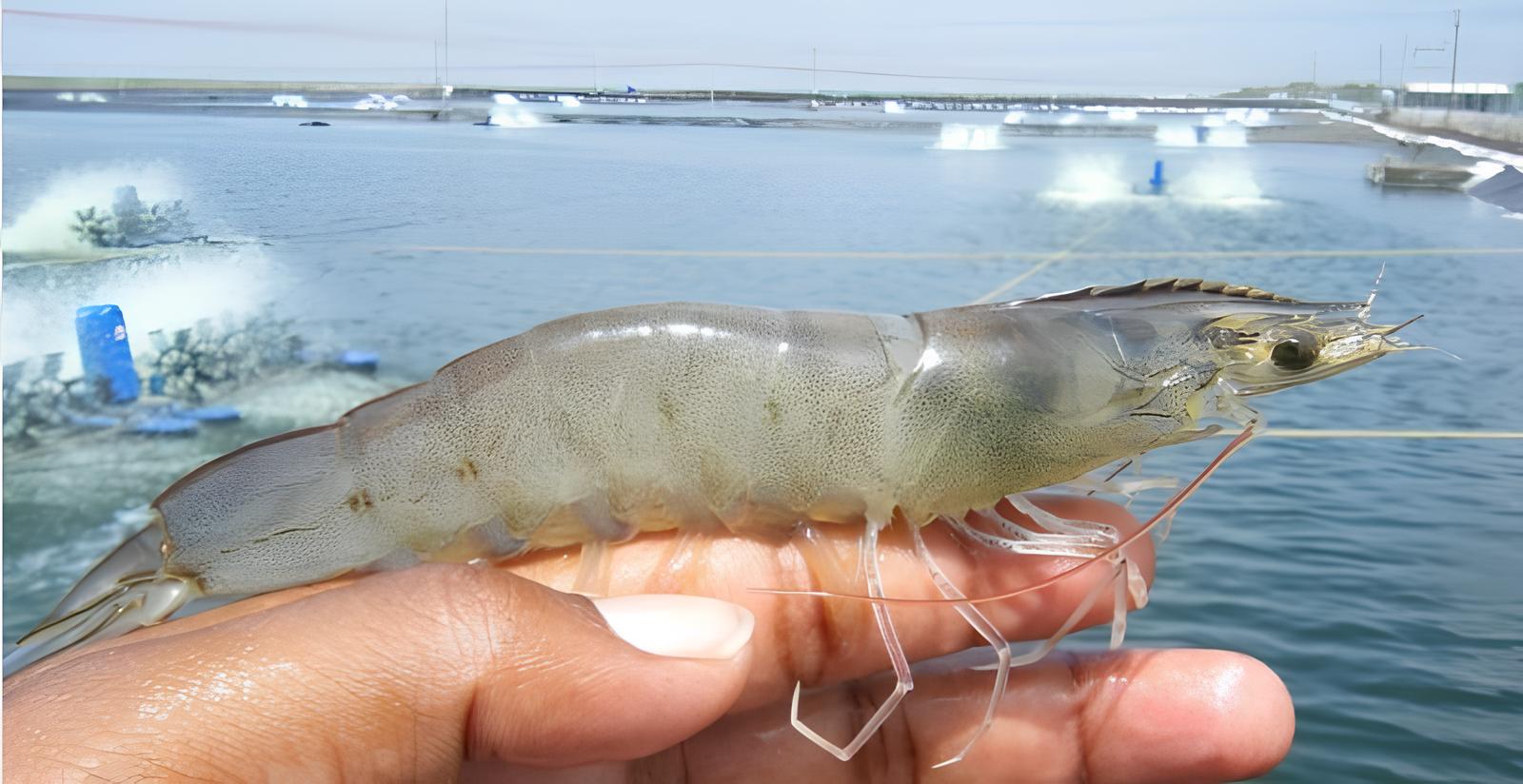

In recent years, the shrimp aquaculture industry has experienced rapid growth along with increasing demand for shrimp seeds. This increasing demand encourages the need to increase shrimp seed production intensively. However, in facing this challenge, proper management of brood shrimp is the main key. Management practices that are not optimal can have a negative impact on the quantity and quality of eggs produced by parent shrimp.
Therefore, expertise regarding the requirements of shrimp broodstock, male and female characteristics, and gonad maturity stages is very important. In this article, we will explore in detail about the requirements, characteristics, and stages maturity vannamei shrimp broodstock, and how a better understanding of this can help improve management practices in the industry aquaculture of shrimp
Requirements for white shrimp broodstock
Table 1. Requirements for white vannamei shrimp parents
|
|
|
|
|
|
|
|
|
|
|
|
|
|
|
|
|
|
|
|
|
|
|
|
|
|
|
|
|
|
Characteristics of male and female shrimp broodstock
In general, the difference in size between female and male shrimp broodstock reflects a pattern of external systematic differences between individuals of different sexes within the same species (sexual dimorphism) in shrimp species. Female shrimp broodstock tend to have larger bodies than male shrimp broodstock. The most striking physical differences can be seen in the reproductive organs (genitalia), which differentiate between the two sexes of shrimp.
In female shrimp, the reproductive organ is called the thelycum. The thelycum is located between the bases of a pair of walking legs (periopods). The main function of the thelycum is to store sperm after the fertilization process. The sperm stored in the thelycum will then be used to fertilize the eggs during the spawning process.
Meanwhile, in male shrimp, the reproductive organ is called petasma. The petasma is located at the base of the first swimming leg, also known as the pleopod. The main function of petasma is to transfer sperm into the female's body during the egg fertilization process. This difference is an important evolutionary adaptation in shrimp reproduction. This pattern of sexual dimorphism allows shrimp to have separate but complementary roles in the reproductive process.

Reproductive organs of male and female shrimp broodstock
Characteristics of adult gonads
The level of gonad maturity in vannamei shrimp is a key parameter in assessing reproductive readiness and egg or sperm production. This process refers to the stages of development of the ovaries in female shrimp and the petasma in male shrimp, which shows different changes in the stages of gonad maturity.
In female shrimp, the ovaries undergo a series of developmental stages that indicate readiness to produce eggs. This stage starts from the initial stage of maturity, where the ovaries begin to show signs of growth and color changes that can be observed through direct observation. As the maturation process continues, the ovaries will reach the final stage where the eggs are ready to be released. These stages help farmers to monitor and manage female shrimp reproduction more effectively.
Meanwhile, in male shrimp, gonad maturity is marked by perfect petasma development. Petasma is the male reproductive organ that produces and stores sperm. The process of petasma development in male shrimp is also an important indicator in assessing reproductive readiness. When the petasma reaches the optimal stage of maturity, the male shrimp is ready to spawn with the female shrimp.

Parts of the shrimp broodstock's body that you must know
Image source: Dictio.id
Stages of gonad maturity in vannamei shrimp
1. Stage I (early stage of maturity); at this stage, the female shrimp's ovaries begin to show important early signs of maturity in their reproductive cycle. Initially, the ovary line tends to be greenish black, indicating that the ovary is preparing for further maturation. In addition, the ovarian line also begins to gradually enlarge, indicating an increase in the size of the ovary that corresponds to the development of the egg within it.
At this stage, the ovarian line will appear clearer and thicker. The ovary line which becomes a thick straight line shows the full readiness of the ovaries to spawn and release eggs.
2. Level II (final level of maturity); compared with the previous stage, the color of the ovaries becomes clearer and thicker. These changes indicate processes within the ovaries that are taking place as the eggs mature and are ready to be released during spawning.
This stage is characterized by the formation of bubbles in the first abdominal segment of the ovary. These vesicles are formed from the accumulation of mature eggs collected in the ovary and indicate that the ovary has almost reached the final stage of maturity before the spawning process begins.
3. Level III (perfect maturity level); at this stage, the process of maturation of the female shrimp's ovaries reaches its peak. Several additional bubbles begin to form within the ovary, causing the ovary to have several bubbles located along the abdominal segments.
The presence of these bubbles indicates that the ovaries have reached the final stage of maturity before the spawning process begins. These vesicles appear as an accumulation of fully mature eggs and are ready to be released during the spawning process.
One of the unique characteristics of this stage is that the vesicles in the first segment of the ovary begin to form branches to the left and right, resembling a half-crescent shape. This formation signals the full readiness of the ovaries to release eggs. These organized vesicles prepare the ovary to release eggs regularly during the spawning process. This stage is the last phase before the female shrimp releases eggs.
4. Stage IV (recovery stage after spawning); after the eggs are successfully released during the spawning process, the ovaries undergo an important recovery stage in the female shrimp's reproductive cycle. At this stage, the changes that occur in the female's ovaries become very striking.
One of the main characteristics of this recovery stage is the change in color of the ovaries to pale. The ovaries that were previously clear and bright in color now become dim and pale. This color change is a sign that the ovaries have released most of the mature eggs, and the shrimp female broodstock is entering the recovery phase after the spawning process.
During the recovery stage, the ovaries function to recover and prepare themselves for the next reproductive cycle. This process involves the rebuilding of ovarian tissue and structures that may have been damaged during the spawning process. The ovaries slowly return to their normal condition and are ready to restart egg production in the next reproductive cycle.
As for male shrimp, gonad maturity is very important in determining reproductive readiness and sperm production. The main focus in assessing gonad maturity in male shrimp is the development of the petasma, the reproductive organ that produces and stores sperm. Ripe petasma is a key indicator of reproductive readiness in male shrimp.
When the male shrimp reaches sexual maturity, the petasma will undergo complete development. Ripe petasma usually contains spermatophore, a sac-shaped structure that contains sperm that has matured and is ready to be transferred to the female during the egg fertilization process.
Spermatophore is a sac that contains sperm that has matured and is in optimal conditions to fertilize an egg. When a male shrimp spawns with a female shrimp, the sperm stored inside spermatophore will be transferred through the mating process (copulation), where sperm will be released and move towards the eggs that have been released by the female shrimp. This is a key step in the egg fertilization process necessary to start a new reproductive cycle in the shrimp population.
Method for observing shrimp egg development
Observing the development of shrimp eggs is an important step in managing shrimp reproduction in aquaculture cultivation. There are two methods commonly used to observe the development of shrimp eggs, namely:
1. Lifting the female broodstock; The first method involves lifting the female broodstock from the water. After that, the lower part of the body or the ventral part of the female broodstock is faced towards the light. By doing this, light will penetrate the shrimp's body from bottom to top, allowing observers to clearly see the development of the eggs inside the shrimp's body. This direct observation provides an opportunity to assess the maturity stage of the eggs, as well as monitor the overall condition and health of the female.
2. Illuminate the shrimp body; the second method involves the use of a waterproof lamp placed inside the shrimp holding tank. In this activity, lights are turned on and placed under or next to the tank where the parent shrimp are located. The light from the lamp will penetrate the shrimp's body from the outside, allowing observers to clearly see the development of the eggs inside the shrimp's body. This method is generally more practical because it does not require direct removal of the shrimp female broodstock from the water, thereby reducing disturbance to the shrimp and making continuous observation easier.