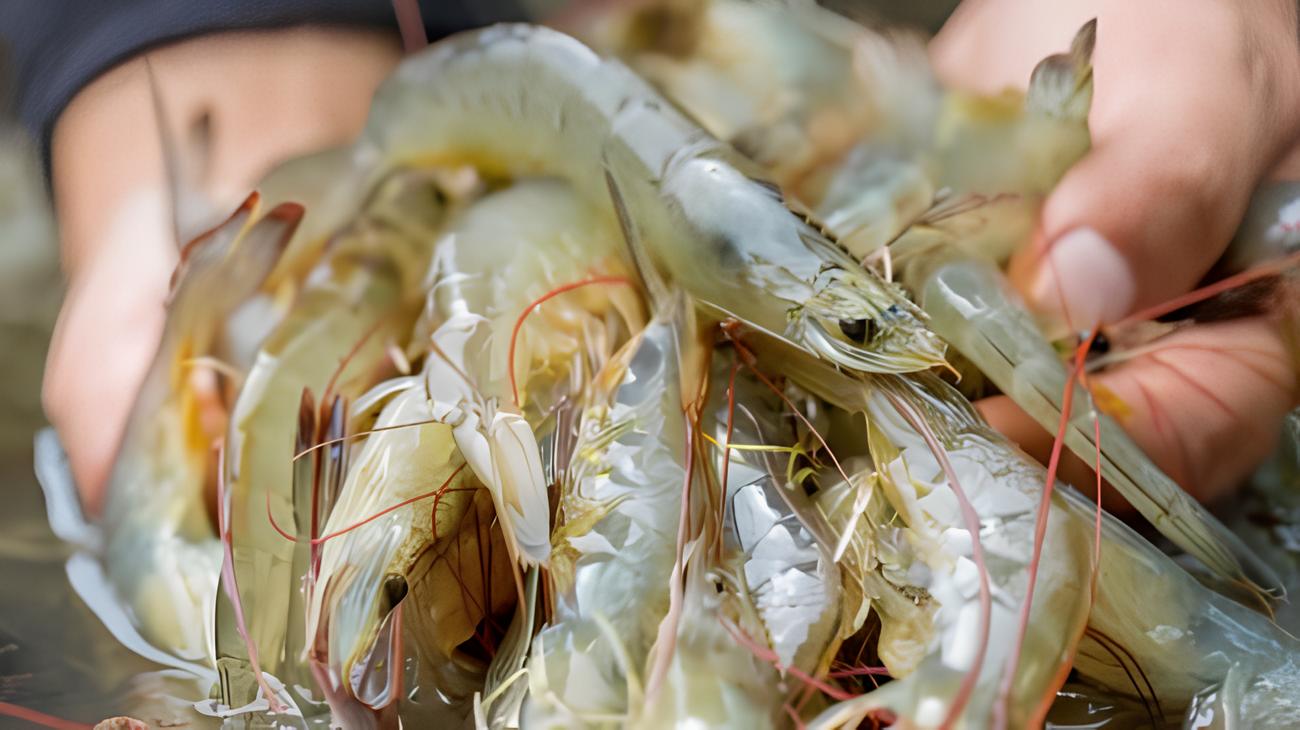

Shrimp cultivation is a very promising business in the future. This is caused by market demand for shrimp which continues to increase. Not only households, but also culinary businesses such as restaurants and cafes really need a consistent supply of shrimp. Shrimp is a source of animal protein which is rich in nutrients and has a delicious taste. Therefore, starting a shrimp farming business could be the right choice for those of you who want to enter the world of fishing.
However, like other businesses, starting a shrimp farming business requires capital and thorough preparation. Various aspects must be considered carefully, starting from the type of shrimp to be cultivated, the location of the pond, to the capital required. Every step in the cultivation process must be planned well so that this business can run smoothly and produce optimal profits.
Tips for cultivating shrimp
1. Determine the type of shrimp that will be cultivated
This tip is important considering that there are quite a lot of types of shrimp in Indonesia, such as vannamei shrimp, tiger shrimp, jerbung shrimp, dogol shrimp, giant prawns, and so on. This diversity of shrimp types certainly provides various choices for farmers, but it can also cause confusion in determining which type of shrimp is most suitable for cultivation. Each type of shrimp has special characteristics that influence cultivation techniques, environmental requirements, and the level of difficulty in caring for them.
To overcome this confusion, you are advised to choose a type of shrimp that is very popular and has high market demand. Several types of shrimp that are very popular in Indonesia are giant prawns, tiger prawns, and vannamei shrimp. Giant prawns are known for their large size and delicious meat, so they are often the main choice in various luxurious dishes. Tiger prawns also have a high selling value, especially because of their delicious taste and chewy meat texture. Meanwhile, vannamei shrimp, even though they are smaller in size than giant and tiger prawns, have the advantage of fast growth and high productivity, making them a very economical choice for cultivation on a large scale.
These three types of shrimp are very popular in Indonesia and are the most widely cultivated by farmers. This popularity is not without reason, but because giant prawns, tiger prawns and vannamei prawns have quite high selling values and stable market demand. By choosing one of these three types of shrimp, you not only ensure that your product has a wide market, but also increase your chances of success in the shrimp farming business.
2. Determine the location of the shrimp pond
Please note that the most appropriate location for cultivating shrimp is in coastal areas. This is due to the characteristics of the soil in coastal areas which has a clay and sandy texture. This texture allows the soil to be compacted easily, which is essential for building ponds that retain water well. Clay and sandy soils also provide stability structurally in ponds, reducing the risk of leaks and damage to pond walls. Additionally, coastal areas generally have easier access to brackish water, which is the ideal type of water for shrimp farming.
Suitable or good water for shrimp cultivation is brackish water with a temperature of around 25°C. Brackish water is a mixture of freshwater and seawater, which provides optimal environmental conditions for shrimp growth. A stable water temperature in this range helps maintain shrimp health and supports their optimal growth. Therefore, choosing a location that has easy access to brackish water with a suitable temperature is one of the key factors in the success of shrimp cultivation.
Ponds created for shrimp cultivation must be equipped with adequate water channels. This water channel functions to ensure that water can go in and out easily, so that water circulation in the pond is maintained. Good water circulation is very important to maintain water quality, reduce waste buildup, and provide sufficient oxygen for shrimp. Apart from that, efficient water channels also make the cultivation process easier, from pond preparation, daily maintenance, to the harvest process. With good water channels, farmers can control the environmental conditions of their ponds more effectively, ensuring that shrimp grow healthily and productively.
3. Prepare the required capital
The next tip for shrimp farming is to prepare the required capital. Capital is a very crucial element in running a business, including shrimp cultivation. The amount of capital required will really depend on the cultivation concept chosen, whether using a traditional pond or a pond with a modern concept. Each concept has its own advantages and disadvantages, as well as different capital requirements.
If you decide to use a traditional pond concept, the capital required is usually not too large. Traditional ponds generally use simpler methods and more affordable equipment. The costs incurred may only be for making ponds from compacted soil, purchasing shrimp seeds, and feed. In addition, the use of technology in traditional ponds tends to be minimal, thereby reducing initial investment costs. However, despite the smaller initial capital, traditional pond management may require more intensive attention and more manual labor.
On the other hand, if you choose to use a modern pond concept, the capital you have to prepare is relatively large. Modern ponds are usually equipped with advanced technology that can increase the efficiency and productivity of shrimp farming. For example, using a good aeration system to ensure sufficient oxygen supply for shrimp, a filtration system to maintain water quality, and using tarpaulin or concrete ponds that are more durable. In addition, modern ponds are often equipped with automatic monitoring devices to control temperature, salinity and water quality, which can reduce the risk of disease and increase shrimp survival rates.

Modern shrimp farming ponds
The capital prepared for shrimp cultivation will also be used to buy good quality shrimp seeds. Good seed is key to ensuring optimal shrimp growth and reducing the risk of mortality. In addition, purchasing feed that suits the nutritional needs of shrimp is also an important component in the capital budget. Quality feed can accelerate shrimp growth and increase harvest weight. Apart from that, capital costs also include construction and maintenance of the pond, such as constructing water channels, installing an aeration system, and purchasing other supporting equipment.
Details of minimum capital costs for shrimp farming (per 1000 square meters)
- Venue rental costs: IDR 4.000.000
- Cost of building a pond: IDR 5.000.000
- Cost of purchasing tarpaulin: IDR 1.000.000
- Cost of purchasing water pumps and windmills: IDR 5.000.000
- Electrical installation costs: IDR 12.000.000
- Miscellaneous equipment costs: IDR 4.000.000
- Cost of purchasing PL shrimp: IDR 3.000.000
- Cost of purchasing feed: IDR 10.000.000
- Cost of purchasing supplements and vitamins: IDR 1.000.000
- Employee salary: IDR 5.000.000
- Electricity and transportation costs: IDR 1.000.000
Total capital costs required: IDR 51.000.000
4. Prepare ponds for shrimp cultivation
In cultivating shrimp, a pond is needed with construction that complies with the stipulated provisions. Good pond construction is very important to ensure an optimal environment for shrimp growth, as well as facilitating pond management and maintenance. Several key elements that must be considered in pond construction include sluice gates, embankments, filters or water reservoirs, and sluice guide boards.
Ponds must be equipped with sluice gates designed to regulate the entry and exit of water easily and efficiently. This sluice gate allows farmers to control the height and volume of water in the pond, which is very important for maintaining water quality and shrimp health. Apart from that, a good sluice gate also makes it easier to change the water regularly, thereby helping to eliminate waste and keep the pond clean.
On the other hand, embankments are another important element in shrimp pond construction. The dike functions to hold water in the pond and prevent the water from overflowing into the surrounding area. A strong and sturdy embankment will ensure that the pond remains safe and stable, especially during the rainy season or when there are high tides. Dikes also help protect ponds from external contamination and predators that can damage shrimp.
Apart from sluice gates and embankments, shrimp ponds also need to be equipped with filters or water reservoirs. This filter functions to filter large particles and dirt from the water entering the pond, so that the water quality is maintained. Filters can reduce the risk of disease and improve shrimp health. Water storage is also useful for storing reserve water that can be used when needed, for example when there is a decrease in the volume of water in the pond.
Sluice guide boards are another important component in shrimp pond construction. This board functions as a guide to the direction of water flow, ensuring that water flows smoothly and evenly throughout the pond. With the guide board, water distribution in the pond becomes more effective, reducing stagnant areas and increasing water circulation. This is very important to maintain adequate dissolved oxygen levels for the shrimp.
Pond construction that meets all of these elements certainly requires costs that are adjusted to the land area and cultivation system used. Ponds with a larger area certainly require higher investment for the construction of sluice gates, embankments, filters and guide boards. Apart from that, the cultivation system used, whether traditional or modern, also influences construction costs. Modern systems may require additional technologies such as mechanical aeration, automatic filtration systems, and water quality monitors, all of which add to initial costs but can increase efficiency and productivity.
5. Choose post larvae (PL) quality shrimp

Post larvae (PL) vannamei shrimp ready to be stocked
The success of a shrimp cultivation business is largely determined by quality post larvae (PL) shrimp used. Shrimp PL is the larval stage that is ready to be stocked in cultivation ponds. Choosing quality and superior shrimp PL is an important step to ensure optimal shrimp growth and reduce the risk of death. Quality shrimp PL usually has a higher survival rate, fast growth, and good resistance to disease. Therefore, before purchasing shrimp PL, it is important to do research and ensure that the PL purchased comes from a trusted and reputable source.
The price of PL shrimp is not too expensive, but the price tends to increase as the PL gets older. Older PL shrimp usually have a higher price because they have passed the critical phase in their growth stage and have a greater chance of survival when stocked in ponds. However, it is important to pay attention to quality rather than just considering price. Buy PL shrimp from hatchery or suppliers who have certification and a good track record will provide additional guarantees for the quality of the PL purchased. In addition, ensuring that PL shrimp are free from disease and have gone through a proper quarantine process before being stocked in ponds will increase the chances of successful cultivation.